深度研究是能端到端解决复杂非工程任务的 AI 功能,可以大幅压缩原本需要 10 小时以上的工作,将其缩短到几分钟内完成。尽管其名称听起来像是学术或投资工具,但它对任何涉及信息审查和提炼实际见解的任务都至关重要,尤其适用于 GTM 项目。
指定高质量来源
AI 代理有时会使用低质量或过时的数据。为了解决这个问题,用户应在提示中指定优先使用哪些类型的来源(如政府数据),或先使用其他 AI 模型(如 GPT-5)生成高质量来源列表,再将其提供给深度研究。 如果想要更高的透明度,还可以要求研究代理:
Always provide in-text citations for any claim it makes
# 始终为其提出的任何声明提供文本引用

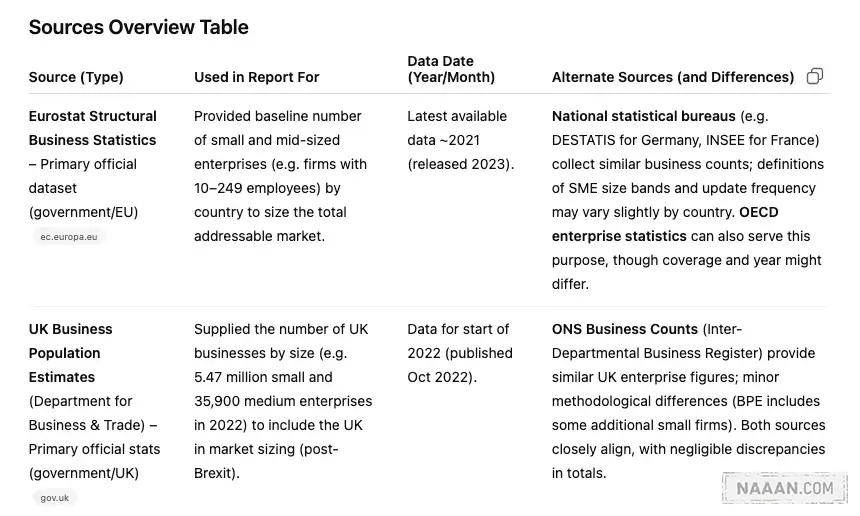
Add a table to the report that lists all sources and shows which source was used for what, what type of source it is, what year the data is from, etc.
# 在报告中添加一个表格,列出所有来源,并显示哪个来源用于什么、来源类型、数据来自哪一年等。

Outline where different sources disagree (esp. when it comes to data) and what the reason might be (e.g. differences in methodology)
# 概述不同来源存在分歧的地方(尤其是在数据方面)以及原因可能是什么(例如方法的差异)
提供上下文以获得定制见解
AI 不会主动要求背景信息,因此需要主动提供,以获得量身定制的见解。这包括:
公司信息:公司规模、运营模式、技术栈等。
明确目标:清晰说明希望通过研究实现什么。
面临的限制:如预算、时间表等。
为了让事情变得更容易,可以向 AI 征求意见(GPT-5 和 Claude Opus 都做得很好):
I'm planning to generate a Deep Research report on [X] in order to [Y]. What context should I provide so that I get a customized, actionable report? Pretend you have no context from any prior conversations.
#我计划针对 [X] 生成一份深度研究报告,以便 [Y] 完成这项工作。我应该提供哪些背景信息才能获得一份定制化、可操作的报告?假设你之前没有任何对话记录。
指定易于理解的报告格式
返回的默认报告通常难以阅读,尤其是想浏览它们以获取最重要的见解时。可以加入提示词:
Include a summary at the beginning of the document and every individual section
# 在文档开头和每个单独的部分包含摘要

Start with the key insights or recommendations before going into details
# 在详细介绍之前,先从关键见解或建议开始

Use overview tables or visuals instead of text blocks where appropriate
# 在适当的情况下使用概述表或视觉对象而不是文本块
如何写一个好的深度研究 Prompt
只需复制此内容并插入您自己的信息(标有「#」的注释用于解释每个部分,不应包含在提示中):
# 目标:说明 1) 您最终想要实现的目标,以及 2) 您希望 AI 实现的具体目标。示例:
<goal> We want to build an account score to inform account allocation to SDRs and prioritize which accounts we reach out to. The desired model will assign 1) a firmographic fit score (i.e. "Is this company generally a good fit?”) as well as 2) an intent score (i.e. "Is this account currently in the market / likely to buy?") to each account. </goal> # Goal: State 1) what you’re ultimately trying to accomplish, and 2) what exactly you want the AI to do. Example:
<goal> We want to build an account score to inform account allocation to SDRs and prioritize which accounts we reach out to. The desired model will assign 1) a firmographic fit score (i.e. "Is this company generally a good fit?”) as well as 2) an intent score (i.e. "Is this account currently in the market / likely to buy?") to each account. </goal>
# 上下文:包含项目中尚未包含的与请求相关的所有上下文。示例:
<context> We’re currently focused on the US market only. Our GTM and data stack consists of Salesforce, Marketo, Outreach, dbt and Snowflake; we’re open to buying intent data sources. Explainability of the model and scores is key </context>
<content> Please cover, at a minimum: 1) A detailed 「build vs. buy」 analysis and recommendation, 2) An overview of the various approaches for building this in-house, 3) How to operationalize the account score between Marketing and Sales, 4) How we can provide visibility for sales reps into how the scores were derived </content>
<style> Follow the Pyramid Principle: State key takeaways or recommendations first, then add supporting arguments and data where appropriate. When you give a recommendation, make sure you explain exactly how you arrived at it. Use bullet points, overview tables and other formatting to make the report easy to parse. </style>
# [可选] 来源:指定 AI 应优先考虑的来源以及/或者应如何记录这些来源。例如:
<sources> For tool comparisons, focus on assessments from leading industry blogs or practitioners instead of claims from the companies themselves </sources>
# [可选] 说明:提供其他说明(例如,您希望 AI 遵循的具体方法或步骤)。例如:
<instructions> Please ask for any additional context you need before you proceed </instructions>